Like us on facebook Follow us on twitter Review us on google

Burning or Tingling in the Foot Could Be Tarsal Tunnel Syndrome

Tarsal tunnel syndrome is a condition caused by pressure on the posterior tibial nerve as it passes through a narrow space on the inside of the ankle called the tarsal tunnel. This nerve provides sensation to the bottom of the foot, so irritation can cause unusual symptoms. People often describe burning, tingling, numbness, or sharp pain that travels into the heel, arch, or toes. Symptoms may worsen with long periods of standing or walking. The condition can develop after an ankle injury, from swelling in the area, or because of foot structure such as flat feet that place extra pressure on the nerve. Without treatment, nerve irritation may gradually worsen and interfere with daily activities. Early care can help reduce pressure on the nerve and relieve discomfort. If you notice persistent tingling, burning, or numbness in the foot, it is suggested that you see a podiatrist for a proper diagnosis and appropriate treatment.

Tarsal tunnel syndrome can be very uncomfortable to live with. If you are experiencing tarsal tunnel syndrome, contact our podiatrists of CNY Foot Surgery & Podiatry Care. Our doctors can provide the care you need to keep you pain-free and on your feet.

Tarsal Tunnel Syndrome

Tarsal tunnel syndrome, which can also be called tibial nerve dysfunction, is an uncommon condition of misfiring peripheral nerves in the foot. The tibial nerve is the peripheral nerve in the leg responsible for sensation and movement of the foot and calf muscles. In tarsal tunnel syndrome, the tibial nerve is damaged, causing problems with movement and feeling in the foot of the affected leg.

Common Cause of Tarsal Tunnel Syndrome

  • Involves pressure or an injury, direct pressure on the tibial nerve for an extended period of time, sometimes caused by other body structures close by or near the knee.
  • Diseases that damage nerves, including diabetes, may cause tarsal tunnel syndrome.
  • At times, tarsal tunnel syndrome can appear without an obvious cause in some cases.

The Effects of Tarsal Tunnel Syndrome

  • Different sensations, an afflicted person may experience pain, tingling, burning or other unusual sensations in the foot of the affected leg.
  • The foot muscles, toes and ankle become weaker, and curling your toes or flexing your foot can become difficult.
  • If condition worsens, infections and ulcers may develop on the foot that is experiencing the syndrome.

A physical exam of the leg can help identify the presence of tarsal tunnel syndrome. Medical tests, such as a nerve biopsy, are also used to diagnose the condition. Patients may receive physical therapy and prescriptive medication. In extreme cases, some may require surgery.

If you have any questions please contact our office located in East Syracuse, NY . We offer the newest diagnostic and treatment technologies for all your foot and ankle needs.
Read more about Tarsal Tunnel Syndrome

Scleroderma and Its Effects on Foot Health

Scleroderma is a chronic autoimmune connective tissue disorder in which the body produces excess collagen, leading to thickening and tightening of the skin and underlying tissues. When this condition affects the feet it may cause stiffness, reduced flexibility, and changes in circulation that influence comfort during walking. Symptoms include tight skin, joint discomfort, swelling, and sensitivity to cold temperatures. Many individuals also experience Raynaud's phenomenon, a circulation-related condition in which the toes change color and become painful when exposed to cold or stress. Causes involve immune system dysfunction and genetic susceptibility. Risk factors may include family history and autoimmune disease patterns. A podiatrist can help manage foot symptoms and improve comfort. If foot pain or circulation concerns develop, it is suggested that you consult a podiatrist who can help you to manage this condition.

Foot Pain

Foot pain can be extremely painful and debilitating. If you have a foot pain, consult with our podiatrists from CNY Foot Surgery & Podiatry Care. Our doctors will assess your condition and provide you with quality foot and ankle treatment.

Causes

Foot pain is a very broad condition that could be caused by one or more ailments. The most common include:

  • Bunions
  • Hammertoes
  • Plantar Fasciitis
  • Bone Spurs
  • Corns
  • Tarsal Tunnel Syndrome
  • Ingrown Toenails
  • Arthritis (such as Gout, Rheumatoid, and Osteoarthritis)
  • Flat Feet
  • Injury (from stress fractures, broken toe, foot, ankle, Achilles tendon ruptures, and sprains)
  • And more

Diagnosis

To figure out the cause of foot pain, podiatrists utilize several different methods. This can range from simple visual inspections and sensation tests to X-rays and MRI scans. Prior medical history, family medical history, and any recent physical traumatic events will all be taken into consideration for a proper diagnosis.

Treatment

Treatment depends upon the cause of the foot pain. Whether it is resting, staying off the foot, or having surgery; podiatrists have a number of treatment options available for foot pain.

If you have any questions, please feel free to contact our office located in East Syracuse, NY . We offer the newest diagnostic and treatment technologies for all your foot care needs.

Read more about Foot Pain

Different Forms of Athlete’s Foot

Athlete's foot, medically known as tinea pedis, is a contagious fungal infection that affects the skin of the feet, especially between the toes. There are various types, including chronic hyperkeratotic athlete’s foot, which causes dry, thick scaling on the soles and sides of the feet. Chronic intertriginous athlete’s foot develops between the toes, and produces redness, peeling skin, and itching. Acute ulcerative athlete’s foot is a more severe form that leads to painful sores and skin breakdown. Lastly, vesiculobullous athlete foot causes fluid filled blisters on the sole or arch. Risk factors include damp footwear, shared locker rooms, excessive sweating, and weakened immunity. A podiatrist can diagnose the infection and provide effective treatment to restore healthy skin. If you have symptoms of athlete’s foot, it is suggested that you consult a podiatrist who can provide appropriate care, which may include prescribed medication.

Athlete’s foot is an inconvenient condition that can be easily reduced with the proper treatment. If you have any concerns about your feet and ankles, contact our podiatrists from CNY Foot Surgery & Podiatry Care.  Our doctors will treat your foot and ankle needs.

Athlete’s Foot: The Sole Story

Athlete's foot, also known as tinea pedis, can be an extremely contagious foot infection. It is commonly contracted in public changing areas and bathrooms, dormitory style living quarters, around locker rooms and public swimming pools, or anywhere your feet often come into contact with other people.

Solutions to Combat Athlete’s Foot

  • Hydrate your feet by using lotion
  • Exfoliate
  • Buff off nails
  • Use of anti-fungal products
  • Examine your feet and visit your doctor if any suspicious blisters or cuts develop

Athlete’s foot can cause many irritating symptoms such as dry and flaking skin, itching, and redness. Some more severe symptoms can include bleeding and cracked skin, intense itching and burning, and even pain when walking. In the worst cases, Athlete’s foot can cause blistering as well. Speak to your podiatrist for a better understanding of the different causes of Athlete’s foot, as well as help in determining which treatment options are best for you.

If you have any questions please feel free to contact our office located in East Syracuse, NY . We offer the newest diagnostic and treatment technologies for all your foot and ankle needs.

Read more about Athlete's Foot

It's Time for Beautiful Feet

You don't need an excuse to have beautiful nails. Step outside without worrying about the appearance of your feet.

Understanding a Clubfoot Deformity

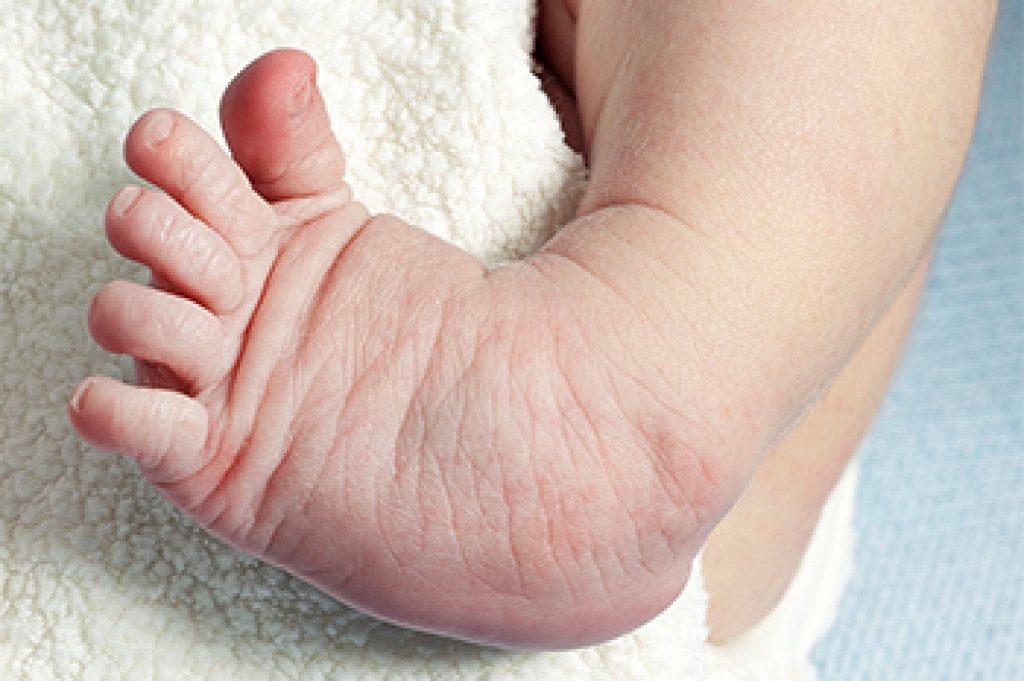
Clubfoot, medically known as talipes equinovarus, is a congenital deformity in which a baby is born with one or both feet turned inward and downward. The position of the foot is referred to as CAVE. C is for cavus or arch.  A is for adductus, because the front of the foot angles inward. V is for varus, when the heel tilts inward. E is for equinus, where the ankle points down like a tiptoe. Clubfoot occurs in the womb when foot and calf muscles pull unevenly. This tightens tendons and ligaments and guides bones out of line as a child grows. A podiatrist can confirm clubfoot with an exam and implement the Ponseti method, which consists of a series of casts that correct the foot alignment. This is often followed by an Achilles tendon release and bracing to reduce relapse. If your child is born with a clubfoot, it is suggested that you are under the care of a podiatrist for help in managing this condition.

Congenital foot problems require immediate attention to avoid future complications. If you have any concerns, contact our podiatrists of CNY Foot Surgery & Podiatry Care. Our doctors can provide the care you need to keep you pain-free and on your feet.

Congenital foot problems are deformities affecting the feet, toes, and/or ankles that children are born with. Some of these conditions have a genetic cause while others just happen. Some specific foot ailments that children may be born with include clubfeet, polydactyly/macrodactyly, and cleft foot. There are several other foot anomalies that can occur congenitally. What all of these conditions have in common is that a child may experience difficulty walking or performing everyday activities, as well as trouble finding footwear that fits their foot deformity. Some of these conditions are more serious than others. Consulting with a podiatrist as early as possible will help in properly diagnosing a child’s foot condition while getting the necessary treatment underway.

What are Causes of Congenital Foot Problem?

A congenital foot problem is one that happens to a child at birth. These conditions can be caused by a genetic predisposition, developmental or positional abnormalities during gestation, or with no known cause.

What are Symptoms of Congenital Foot Problems?

Symptoms vary by the congenital condition. Symptoms may consist of the following:

  • Clubfoot, where tendons are shortened, bones are shaped differently, and the Achilles tendon is tight, causing the foot to point in and down. It is also possible for the soles of the feet to face each other.
  • Polydactyly, which usually consists of a nubbin or small lump of tissue without a bone, a toe that is partially formed but has no joints, or an extra toe.
  • Vertical talus, where the talus bone forms in the wrong position causing other bones in the foot to line up improperly, the front of the foot to point up, and the bottom of the foot to stiffen, with no arch, and to curve out.
  • Tarsal coalition, when there is an abnormal connection of two or more bones in the foot leading to severe, rigid flatfoot.
  • Cleft foot, where there are missing toes, a V-shaped cleft, and other anatomical differences.
  • Macrodactyly, when the toes are abnormally large due to overgrowth of the underlying bone or soft tissue.

Treatment and Prevention

While there is nothing one can do to prevent congenital foot problems, raising awareness and receiving neonatal screenings are important. Early detection by taking your child to a podiatrist leads to the best outcome possible.

If you have any questions, please feel free to contact our office located in East Syracuse, NY . We offer the newest diagnostic and treatment technologies for all your foot care needs.

Read more about Congenital Foot Problems
scroll to top